

Applying Wood Grain Finishes to Metal & Aluminum
Greg Yahn is an owner of Advanced Finishing USA and leads a diversified, third-generation metal finishing operation in Erie, PA. A Penn State-trained industrial engineer with an MBA, Greg has scaled the 80,000-square-foot facility into one of the leading powder coating companies in the Northeastern United States. Greg remains invested in the day-to-day operations at Advanced Finishing while also contributing his expertise to renowned publications and industry presentations.
Applying Wood Grain Finishes to Metal & Aluminum
Dye sublimation, or the process of applying wood grain finishes to metal and aluminum parts, is revolutionizing the way architectural design firms and OEMs are producing building exteriors, appliances, and other fixtures or furnishings.
Article Synopsis & Takeaways
- Advanced Finishing USA is a Decoral licensed applicator of wood grain finishes that seamlessly replicate the hues, colors, and grain patterns of natural wood on metal components.
- With an expansive 80,000 square foot facility in Erie, PA, Advanced Finishing offers fast turnaround powder coating to OEMs throughout the Northeastern United States.
- Over fifty years of experience with large part powder coating lends itself to producing durable, premium quality wood grain finishing
- Using coated metals in place of natural woods for challenging applications reduces maintenance requirements, shipping costs, production times, and extends product lifespan.
Get A Quote For Wood Grain Finishes
What Types of Wood Grain Finishes Are Available?
Any widely used or even rare tree species are viable wood grain finish options available through Advanced Finishing USA and effortlessly replicate the naturally occurring grain patterns, colors, and depth on metal substrates.
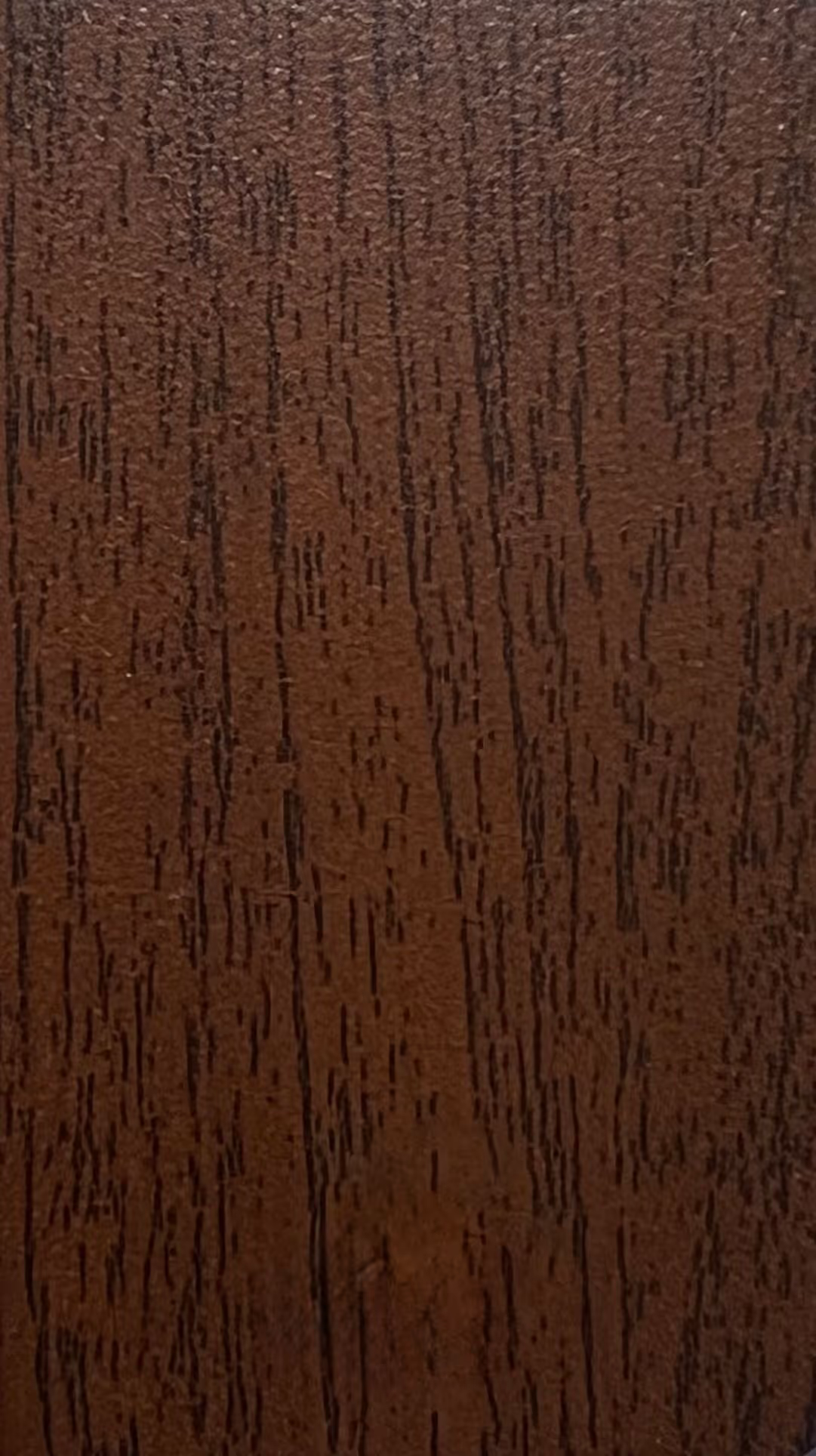
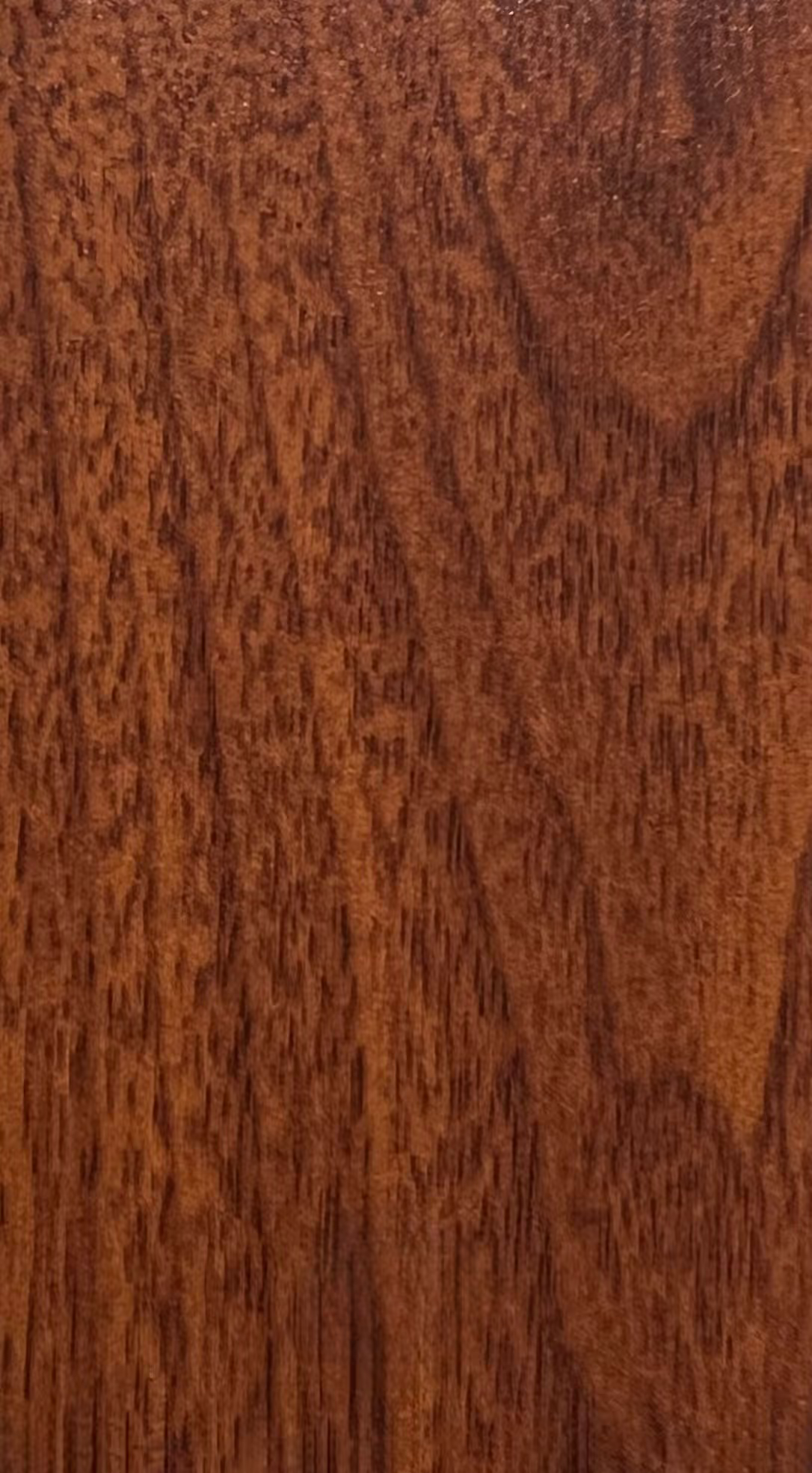
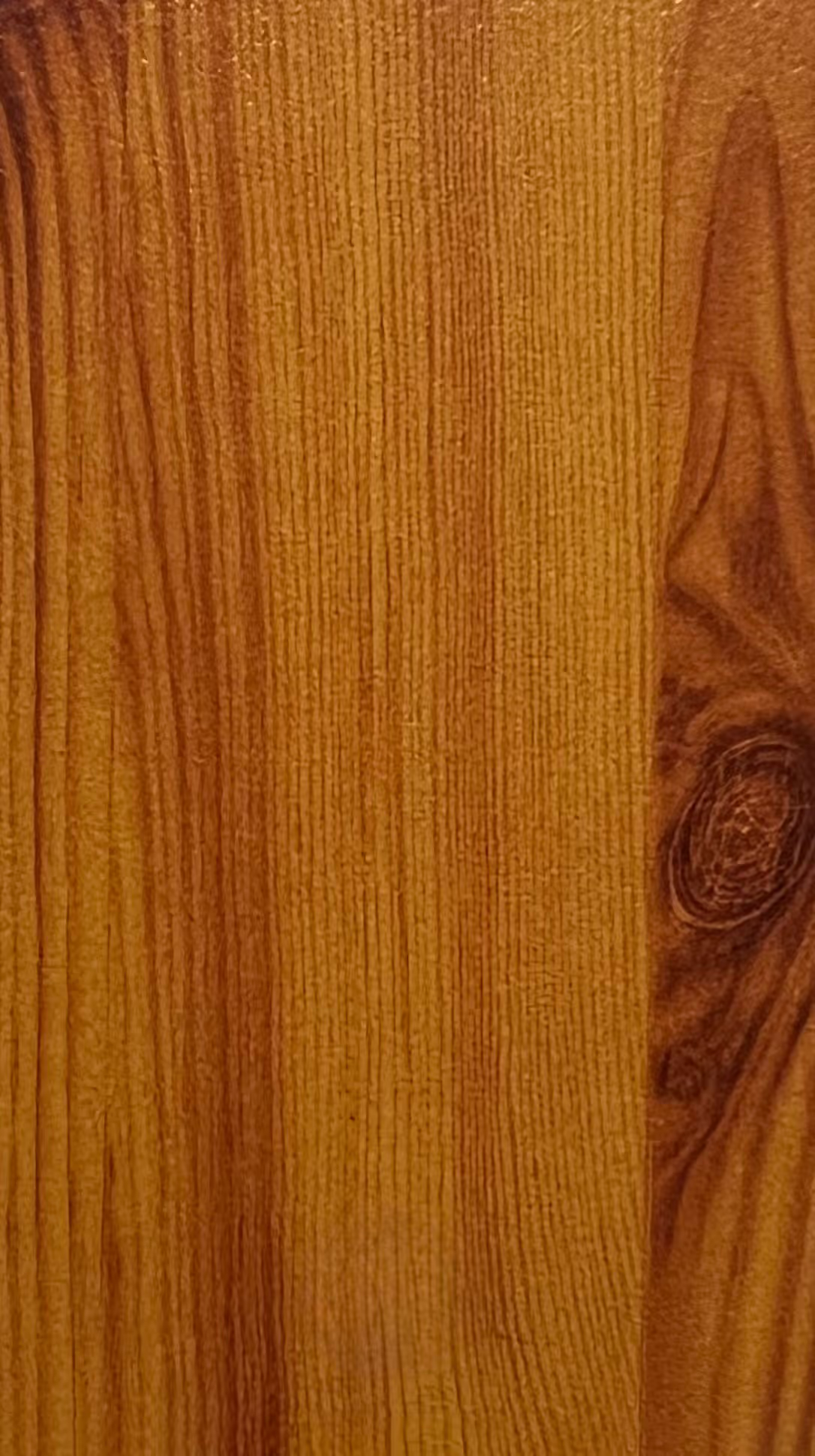
From traditional Knotty Pine to the more elegant and refined Cherry, any number of wood grain finishes can be added to metal substrates. Each wood grain pattern is thoroughly recreated using advanced computer software to recreate the intricate patterns and subtleties that make natural wood so desirable for high-end furnishings or fixtures. With options including Antique Oak, Dark Walnut, Golden Oak, and Light Maple, there are plenty of wood grain finishing options for products like appliances, interior design furnishings, or furniture. View several of the available grain patterns below, and feel free to reach out to inquire about other wood species not shown here.







Benefits of Wood Grain Finishes vs. Real Wood
Finishing metal substrates with wood grain in place of real wood offers considerable advantages to manufacturers and other applications. Although natural wood has been a reliable building material for millennia, the consistent need for maintenance and vulnerability to insects, UV, weather, moisture, and corrosion make it cost-prohibitive for a large variety of projects. This table compares Decoral wood grain finishing against real wood for nine different characteristics:
Wood Grain Powder Coating vs Real Wood: Benefit Comparison
Crunching the Numbers: Initial Costs & On-Going Expenses
Just saying that wood grain finishing is a less expensive alternative to real wood is one thing, but supporting it with real examples helps paint a more accurate picture for manufacturers still weighing their options.
Example One: Maintenance & Replacement Costs
Real wood surfaces, especially those in outdoor installations, will require two to three full refinishing cycles during their lifetime. The costs associated with this process include labor, coatings, cleaning, repairs, and any downtime associated with completing the job itself. These costs quickly compound and erase any initial savings that might have made real wood appealing. Using the example of a 1,000 square foot facade, real wood siding can cost on average $10/square foot and requires an additional $5,000 to $8,000 in maintenance costs to maintain quality over twenty years. An aluminum facade of the same size can be installed for roughly $6 to $8 per square foot and requires a fraction of the ongoing maintenance costs.
Example Two: Structural Weights & Shipping Logistics
Natural wood is heavy, and some of the most popular exotic species require international shipping and extensive curing times. For example, a 0.063-inch aluminum panel weighs roughly 0.92 pounds per square foot. A one-inch section of cherry wood with the same surface area weighs over three pounds. When expanded to a 1,000 square foot facade installation, for example, the aluminum with wood grain finishing weighs over 2,000 pounds less! Think of the shipping cost savings, reduced hardware demands, and labor required.
Trust the Experts: Quotes for Wood Grain Finishing
If you’re looking for ways to save on costs, reduce shipping weights, and have faster-to-market products while still maintaining the beauty and allure of natural wood, trust the experts at Advanced Finishing USA to get the job done right. Contact us today for durable, precise, and efficient wood grain solutions designed to withstand demanding OEM and architectural applications.


